Every business wants to improve profitability, manage expenses and maintain a productive working environment. However, operating a commercial property involves several recurring expenses, including housekeeping, security, maintenance, manpower, equipment, cleaning materials and energy consumption.
Without proper planning, these operational costs can increase over time and affect overall business efficiency. This is where professional facility management services can make a meaningful difference.
Facility management helps businesses maintain their buildings, workplaces and essential support operations through systematic planning, skilled manpower and preventive maintenance. By managing these activities efficiently, organizations can control unnecessary expenses, reduce operational disruptions and make better use of their resources.
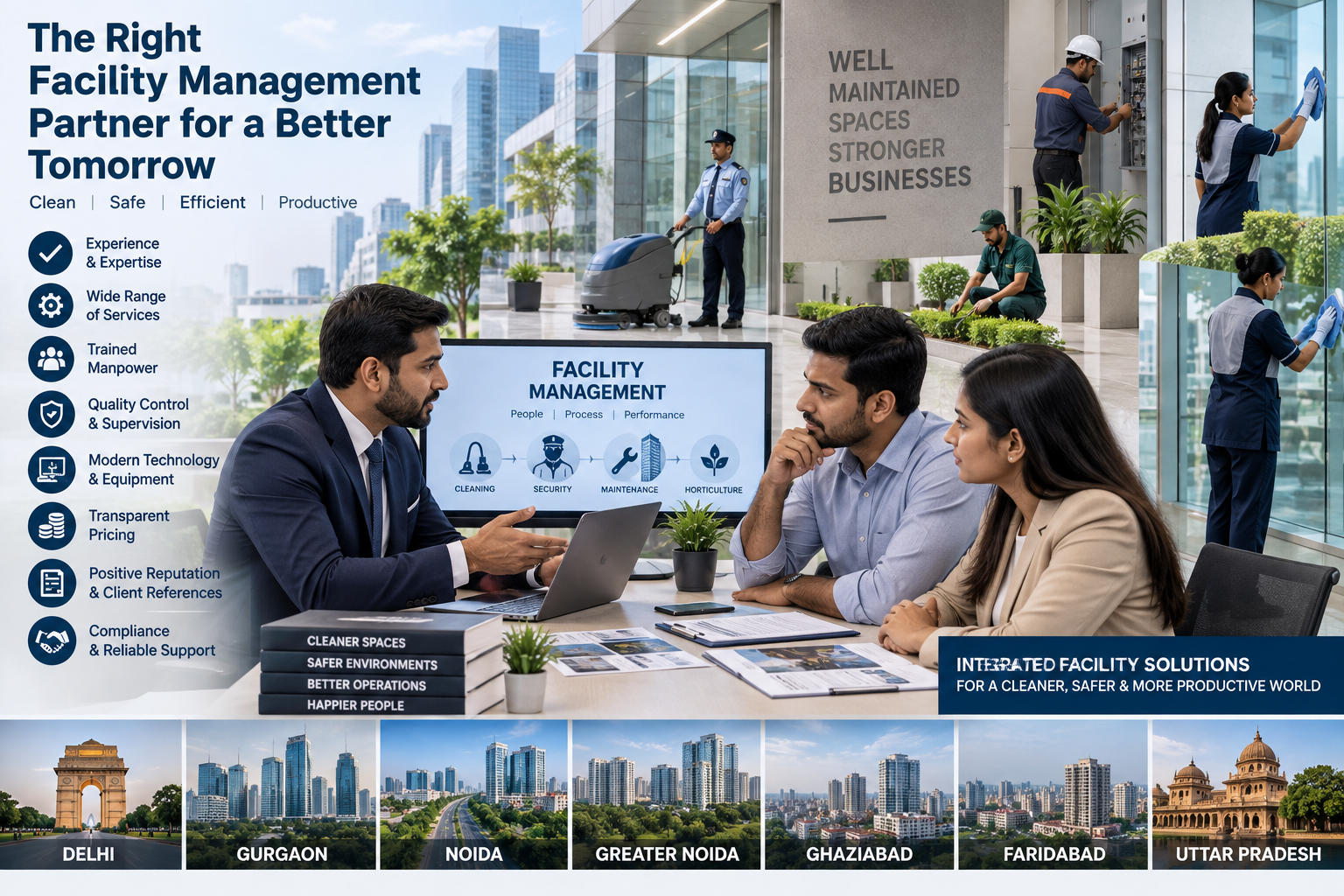
For businesses looking to improve operational efficiency, partnering with a professional service provider such as Axis India The Real Services can be a practical step towards better workplace management.
1. Reduces Operational and Maintenance Costs
One of the biggest advantages of professional facility management is improved control over routine operating expenses.
When housekeeping, maintenance, security and other support activities are managed without a proper system, businesses may experience duplicate work, inefficient resource allocation and avoidable expenses.
A structured facility management plan helps identify operational requirements, allocate resources appropriately and monitor service delivery. Regular inspections and planned maintenance can also help identify minor issues before they develop into expensive repairs.
2. Improves Manpower Utilization
Manpower is an important component of facility management expenditure. Businesses need the right number of housekeeping staff, security personnel, technicians and other support workers to maintain daily operations.
Overstaffing can increase costs, while insufficient staffing may affect service quality and workplace safety.
Professional facility management helps organizations plan manpower according to the size of the property, operating hours, workload and specific service requirements. Effective scheduling, supervision and attendance monitoring can help reduce inefficiencies.
3. Prevents Expensive Equipment Breakdowns
Unexpected equipment failures can interrupt business activities and result in costly emergency repairs.
Preventive maintenance involves regular inspections and servicing of relevant building systems, electrical installations, plumbing, lighting, air-conditioning equipment and other assets included in the service scope.
Identifying potential problems early can help businesses avoid certain breakdowns, reduce downtime and extend the useful life of equipment.
4. Controls Cleaning Material and Equipment Expenses
Housekeeping requires cleaning chemicals, consumables, tools and specialized equipment. Uncontrolled usage, poor inventory management and unnecessary purchases can increase expenses.
Professional housekeeping management can introduce inventory tracking, appropriate product selection, planned consumption and standardized cleaning procedures.
Using the right equipment for the right task can also improve staff productivity and reduce wastage.
5. Reduces Workplace Disruptions
Poorly maintained facilities can affect employees, customers and business operations. Issues such as malfunctioning lights, plumbing problems, unclean common areas and delayed repairs can disrupt normal activities.
A coordinated facility management system helps establish reporting procedures, maintenance schedules and escalation processes.
Resolving problems promptly can reduce avoidable interruptions and help employees focus on their core responsibilities.
6. Simplifies Vendor and Service Management
Managing multiple vendors for housekeeping, pest control, security and maintenance can create additional administrative work.
An integrated facility management arrangement can bring several services under a common coordination structure, depending on the provider’s capabilities and the agreed contract.
This can simplify communication, reporting, service monitoring and invoice management. Businesses should compare the total contract cost with their existing expenses to determine the actual financial benefit.
7. Supports Better Energy and Resource Management
Electricity and water are recurring expenses for many commercial properties. Inefficient lighting, water wastage, poorly maintained equipment and unnecessary consumption can increase monthly bills.
Facility management teams can support energy-conscious practices, routine inspections, timely reporting of leaks and appropriate use of building systems.
Where required, businesses can also introduce energy audits and consumption monitoring to identify opportunities for further savings.
8. Helps Maintain Safety and Compliance
Safety-related incidents and compliance failures can result in financial losses, operational delays and reputational damage.
Professional facility management can support workplace safety through appropriate housekeeping practices, maintenance inspections, trained personnel, documentation and defined operating procedures.
The precise responsibilities depend on the services contracted and applicable legal requirements. Businesses should clearly establish compliance responsibilities with their service provider.
9. Improves Asset Life and Long-Term Value
Commercial buildings contain valuable assets, including electrical systems, fixtures, equipment, flooring and other infrastructure.
Neglecting routine maintenance can accelerate wear and increase replacement costs.
A planned facility maintenance programme helps businesses monitor asset conditions, prioritize repairs and make informed decisions about maintenance and replacement.
Although maintenance requires an investment, timely servicing can reduce avoidable deterioration and support better long-term asset management.
10. Allows Management to Focus on Core Business
Managing day-to-day facility operations takes time and administrative resources. Outsourcing suitable services allows business owners and internal teams to focus more on customers, employees, production and growth.
Instead of coordinating every housekeeping or maintenance activity internally, businesses can work with a dedicated service provider under clearly defined service standards.
This approach can improve operational focus while helping maintain the workplace environment.
How Does Facility Management Help Businesses Save Money?
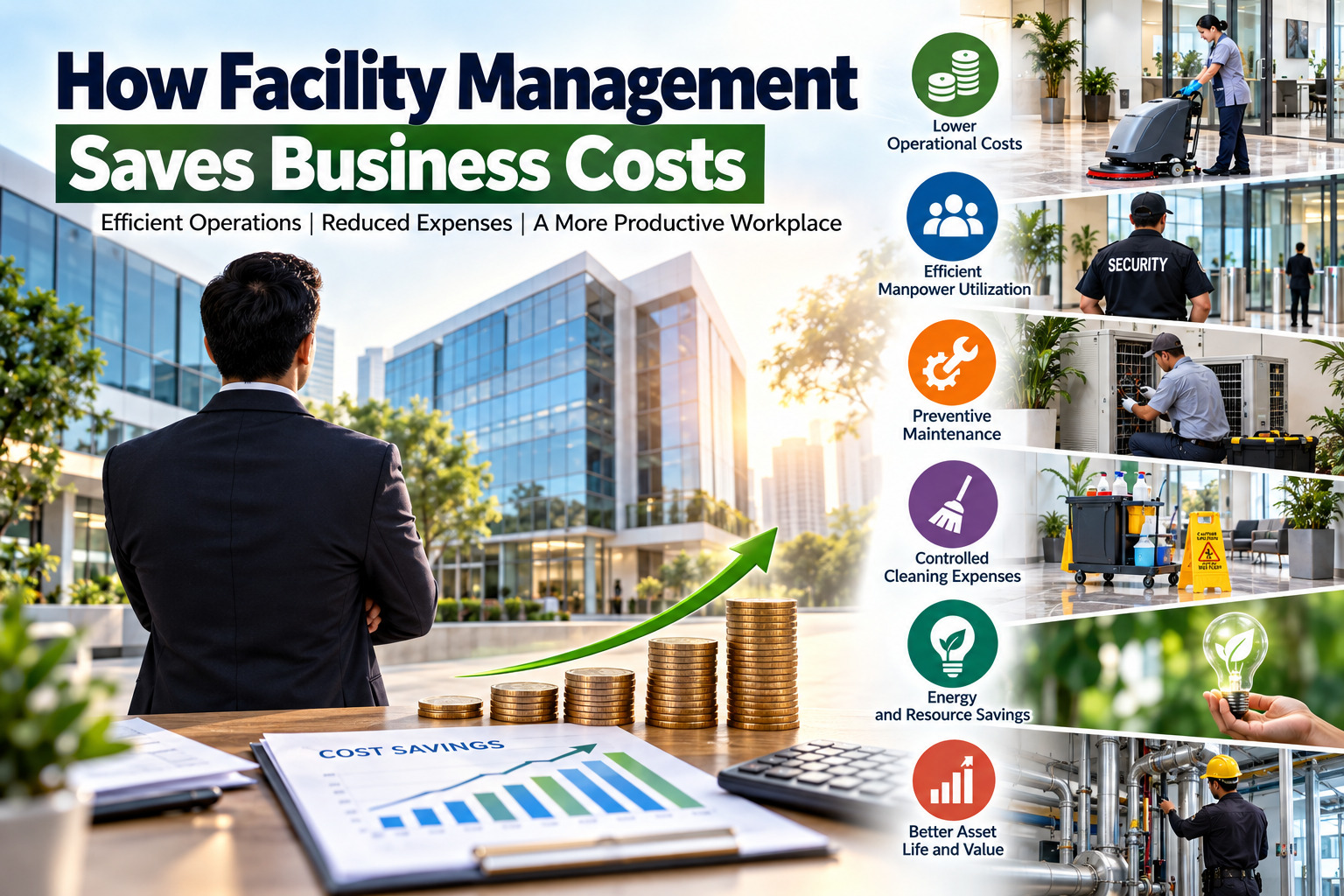
The financial benefits can be understood by comparing the main expense categories before and after implementing a structured facility management programme.
- Manpower: Better scheduling and resource allocation.
- Maintenance: Early identification of issues and planned servicing.
- Cleaning: Controlled consumption of materials and equipment.
- Energy: Identification of avoidable electricity and water wastage.
- Administration: More coordinated service management and reporting.
- Assets: Better maintenance planning and reduced avoidable deterioration.
Actual savings vary according to property size, existing processes, service requirements and contract pricing. Businesses should review their baseline costs and track measurable results rather than assuming a fixed percentage of savings.
Why Choose Axis India The Real Services?
Choosing the right facility management partner is important for maintaining service quality and managing operational expenses.
Axis India The Real Services focuses on facility services, including housekeeping, with an emphasis on organized service delivery and workforce management.
Businesses evaluating a facility management provider should consider its experience, manpower deployment, supervision procedures, reporting systems, service coverage and ability to meet their specific requirements.
A well-planned service arrangement can help organizations maintain cleaner, better-managed workplaces while improving visibility into recurring operational expenses.
Conclusion
Facility management is more than maintaining a clean and functional workplace. It is also an important part of managing operational expenses, protecting business assets and improving resource utilization.
Through planned maintenance, efficient manpower allocation, controlled material usage, better coordination and energy-conscious practices, businesses can identify opportunities to reduce avoidable costs.
For organizations seeking to improve workplace efficiency, professional facility management services from Axis India The Real Services can be considered as part of a broader operational cost-management strategy.
A well-managed facility supports a more efficient business.